Why The GMPc Certified Oral Care Manufacturing Mattered

by Eula

The oral care industry is highly regulated and competitive, and there will be no compromise on the quality and safety of the products. Consumers have a reputation for being those who rely on oral care brands to provide effective, safe products that meet international standards. To brand owners and distributors, the choice of the appropriate oral care manufacturing brand is the determinant of such trust. The decision to select a GMPc-approved oral care factory not only presents a mere regulatory obligation, but it is also an investment in brand trust, product quality, and future development.

GMPc Certification in Oral Care Manufacturing

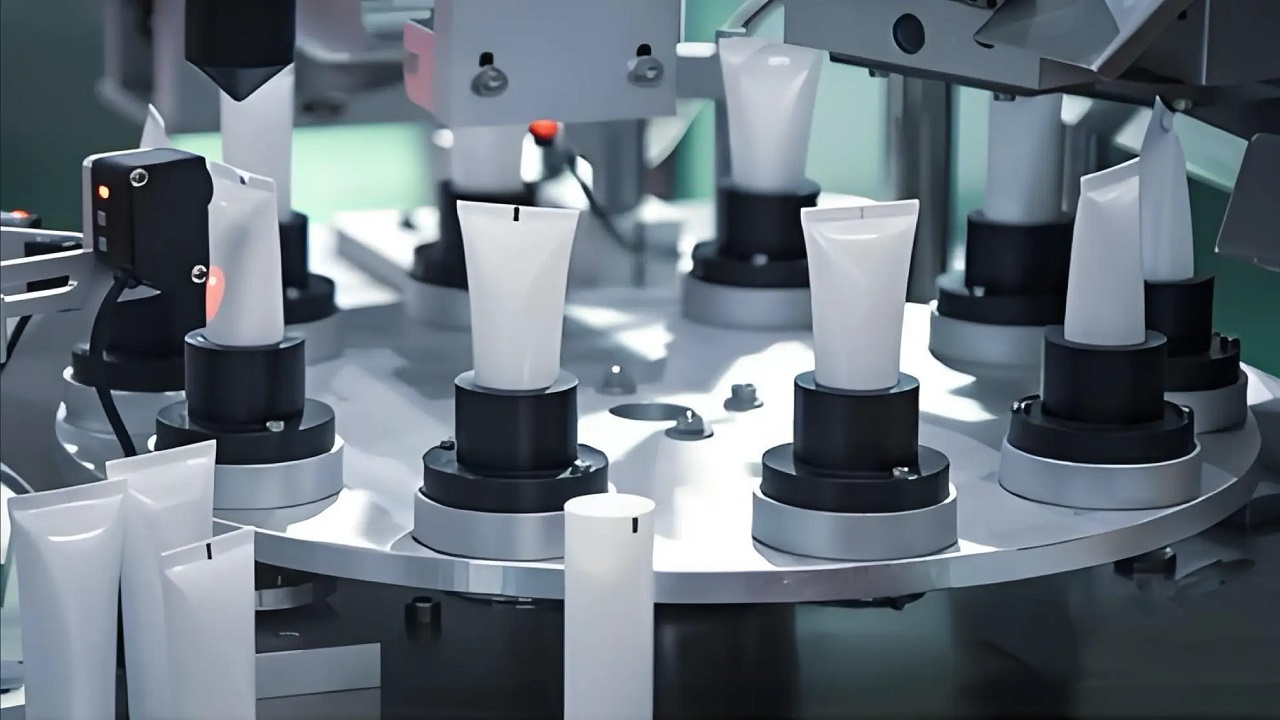
Good Manufacturing Practice of Cosmetics (GMPc) is a quality measure that regulates the production, control, and documentation of cosmetic and oral care products. It includes all the steps of production, including sourcing and formulation of the raw materials, filling the final product, packaging it, storing it, and transporting it. In oral care production, GMPc certification has the effect of making sure that toothpastes, mouthwashes, whitening gels, and other dental products are produced in a controlled and conducive environment.

A GMPc-approved plant is run under stringent measures aimed at reducing risks like contamination, formulation mistakes, and unmatched batches. Independent bodies regularly audit these procedures, ensuring that they are in compliance and not once approved. This is a particularly important level of supervision in oral care, whereby products are applied on a daily basis and come into direct contact with sensitive areas.

Uninterrupted Quality and Safety of Products

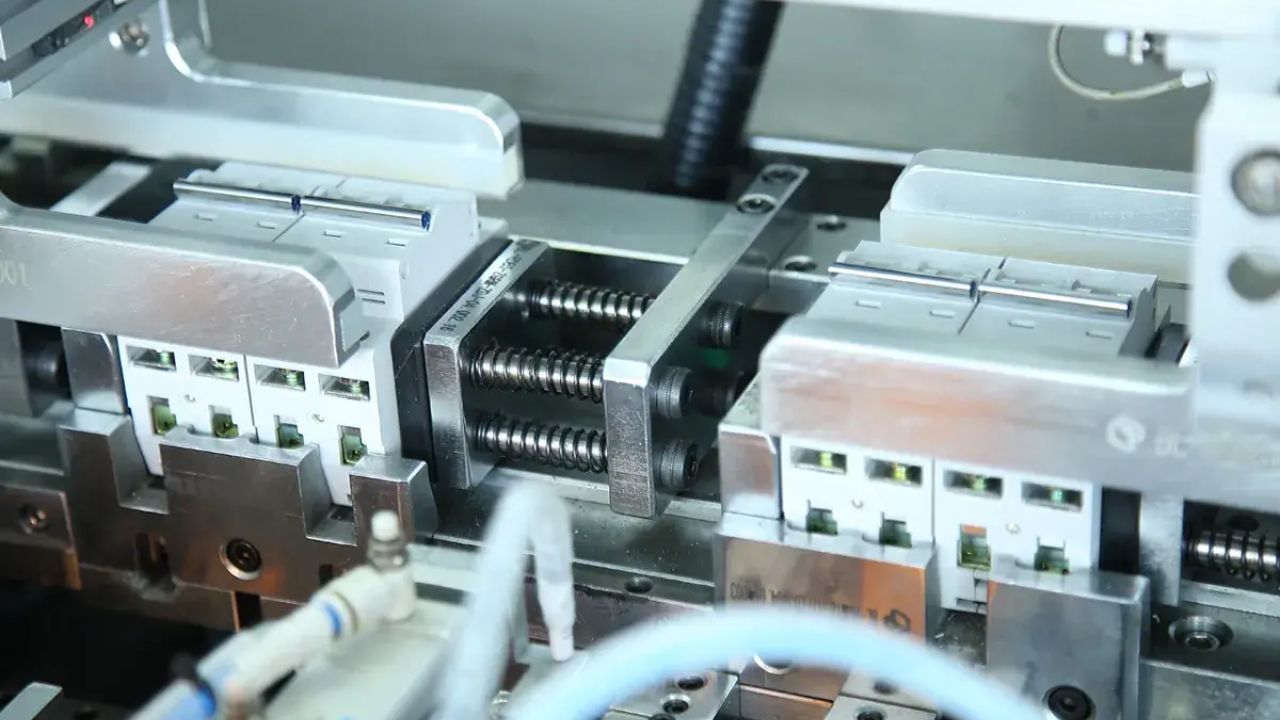
The fact that the quality of the products would stay the same is one of the greatest benefits of collaborating with a GMPc-certified oral care factory. GMPc standards mandate validated processes, calibrated equipment, and qualified personnel, all of which lead to homogeneous production outputs. A batch is made per the approved formulations and standard operating procedures that limit the chances of changes in texture, taste, efficacy, or appearance.

Safety is equally important. GMPc requires high standards of hygiene control, such as in cleanroom conditions, sanitation, and controlled handling of materials. The measures are used to avoid microbial contamination and inter-product cross-contamination. In the case of oral care brands, it can be translated into safe products that are capable of satisfying the needs of the consumer and the regulations of international markets.

Regulatory Adherence and Market Access

The markets of oral care products are regulated with sophisticated regulations all over the world. Several areas have GMPc or similar standards that manufacturers have to adhere to before the products can be offered in the market. When choosing a GMPc-certified factory, the brands have a prominent chance of lowering the risk of delays in regulations, dismissal of the product, or a recall.

A certified plant has extensive records, such as lots and batches, analysis certificates, safety data sheets, and stability studies. This documentation is required in the registration of products, distribution approvals, and audits by the authorities or retail partners. The expansion into the international market is also easier with GMPc certification because it proves that the manufacturing practices correspond to the commonly recognized quality standards.

Guaranteeing Consumer Trust and Brand Reputation

The oral care industry has one of the most valuable assets, brand reputation. One issue of quality can destroy consumer confidence, as well as result in long-term losses. The factories that are certified by GMPc have preventative quality management systems that detect and mitigate the probable risks before they become problems.

The manufacturing of brands in a facility that is of GMPc standard sends a strong signal to customers that quality and safety are the most important aspects. This trust is particularly significant in the case of products like whitening gels, toothpastes that do not include fluoride or require it, and those that are aimed at children, because safety issues are examined closely. In the long term, loyalty gives to quality and enhances brand presence in the market.

Efficiency and Long-Term Cost Control

Although some businesses might perceive the GMPc-certified manufacturing to be a more expensive cost in the short run, it can cause significant cost savings in the long run. Standard processes, regulated production streams, and systematic quality check-ups minimize waste, redo work, and product failure. This efficiency will be represented in reduced delays, reduced recall risks, and reduced unpredictable production schedules.

The GMPc-certified factories also invest in personnel training and improvement. Experienced staffing and efficient processes can assist brands in delivering products earlier and in the most appropriate way possible. This reliability is crucial to scaling production without lowering the quality of production for growing oral care brands.

Conclusion

Selecting a GMPc-certified oral care factory is not a compliance option; it is a strategic partnership selection. These factories offer safe products, confidence in regulations, and uniformity that promote brand development. In a market where consumers are getting more cautious about their products and the government is getting more involved in regulating the production of products, GMPc certification can give the customer confidence that the product is being produced with a lot of care, accuracy, and responsibility.

You may also like

Leave a Comment