Why Developers Are Moving Toward Turnkey Furniture Solutions for Residential Handovers
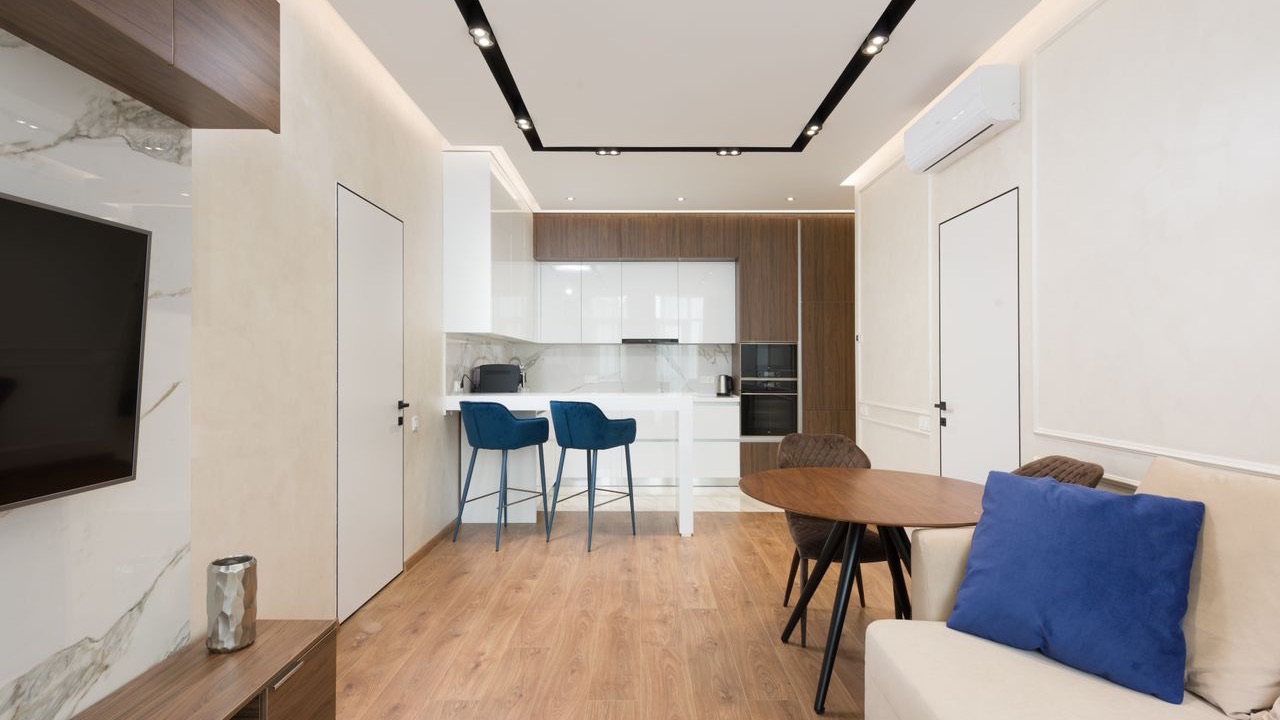
Property developers have traditionally handed over residential units unfurnished or with a minimal fit-out: walls painted, flooring laid, kitchen and bathrooms installed, and the rest left to the buyer. That model still dominates in many markets, but a growing segment of developers — particularly those building for the rental market, the serviced apartment sector, and the mid-to-high end of owner-occupier residential — has shifted toward delivering fully furnished units as the standard product.
The shift isn’t driven by a change in buyer preferences alone. It’s driven by a supply chain logic that makes turnkey delivery increasingly attractive from the developer’s side of the equation.
The coordination cost of the traditional model
In the traditional model, a developer’s responsibility ends at a defined fit-out standard, and the buyer or operator manages everything after that. From the developer’s perspective, this looks like reduced scope and reduced risk. In practice, it often creates problems that land back on the developer.
When buyers manage their own furniture procurement, they’re coordinating with multiple suppliers, managing their own delivery windows, and handling installation logistics that depend on the unit being fully complete before work starts. When those processes create damage to finished surfaces — furniture delivery crews scuffing walls, installation teams drilling into surfaces that weren’t designed for it, multiple trades accessing units at different times — the developer faces warranty claims that are difficult to attribute clearly.
For developments with a rental or serviced apartment operator as the primary customer, the coordination problem is more acute. The operator needs all units furnished and ready by a specific date to open the property. Managing furniture procurement across hundreds of units, from multiple suppliers, with independent delivery schedules, is a significant operational burden that the developer is often in a better position to handle through a single integrated procurement than the operator is to handle independently.
Why turnkey solutions compress the project timeline
The timeline benefit of turnkey furniture solutions comes from two sources: parallel workstreams and integrated delivery.
In the traditional model, furniture procurement begins after the fit-out is substantially complete, because buyers and operators don’t finalize selections and place orders until they can see the finished space. This sequential logic adds weeks or months to the timeline between construction completion and operational readiness.
In a turnkey model, furniture specifications are finalized during the design phase, orders are placed during construction, and production runs in parallel with the building work. When construction is complete, the furniture is already manufactured and staged for delivery. The gap between construction handover and operational readiness compresses significantly — in well-run projects, furniture installation follows construction completion within days rather than weeks.
The integrated delivery component means that all furniture for a unit or a building arrives and is installed in a coordinated sequence, by crews who have been briefed on the specific product and the installation requirements. The alternative — independent deliveries from multiple suppliers, each with their own logistics and installation teams, arriving at different times and needing to coordinate access — is slower and more prone to the delays that come from dependencies between trades.
The quality control argument
When a developer specifies and procures furniture as part of the project scope, quality control happens at a point when it can be managed. Factory inspection of furniture before shipment, staged delivery to a controlled site environment, and installation by supervised crews all allow problems to be caught and corrected before the unit is handed over.
When furniture procurement is decentralized to individual buyers or operators, quality control is fragmented. Each purchaser has their own standards, their own tolerance for defects, and their own process for managing claims — or no process at all. The result is inconsistent quality across a development that’s supposed to represent a coherent product.
For branded residential developments and serviced apartment products where the quality of the interior experience is part of the value proposition, this consistency matters directly to the developer’s reputation and to the resale or leasing performance of the units.
How turnkey service providers have changed
The practical barrier to turnkey furniture delivery — that coordinating furniture specification, procurement, logistics, and installation for hundreds of units is operationally complex — has become easier to clear as furniture manufacturers and procurement specialists have developed the capability to manage it.
A turnkey project service that covers design coordination, manufacturing, freight management, customs clearance for imported product, site delivery, and installation as an integrated offering reduces the developer’s coordination burden to a single supplier relationship. The developer specifies what they want at the design phase, approves samples, and receives installed furniture at handover. The logistics and production management in between is the supplier’s problem, not the developer’s.
This model transfers risk as well as responsibility. A turnkey supplier who commits to a delivery and installation date as part of the contract has taken on the scheduling risk that would otherwise sit with the developer. When delays occur — as they always do in complex projects — the question of who absorbs the cost is answered by the contract rather than by a negotiation between parties who each have incomplete information about why the delay happened.
What makes the economics work
Turnkey furniture solutions aren’t cost-free. The supplier managing procurement, logistics, and installation is charging for that service, and the developer is paying a premium over what the furniture would cost if sourced independently at each stage.
The economics work when the value of the premium is real: when the time compression translates to faster revenue recognition or lower carrying cost on the development; when the quality consistency supports a pricing premium on the units; when the risk transfer on the delivery commitment has genuine value; or when the administrative overhead avoided by having one supplier relationship instead of many is significant enough to justify the cost.
For smaller developments or simpler fit-out specifications, the economics may not support the turnkey premium. For large-scale residential projects with a defined operational opening date and multiple furniture categories across hundreds of units, they typically do.